This song is from the punk band FIRE Ex. which hails from the Taiwanese port city of Kaohsiung, FIRE EX is politically aligned with the Taiwanese Independence Movement which aims to proclaim Taiwan as an independent country that does not claim rulership over China, this is opposed to the view that that Republic of China now based in Taiwan should rule over China and Taiwan. Kaohsiung was the location of a major crackdown on democracy activists during Taiwan's martial law period under the one party rule of the Kuomintang in 1979 and has broadly been more independence oriented. The line "Let me Stand up Like a Taiwanese" is a quotation from Peter Huang when he was tackled to the ground during an attempt to assassinate the then vice premier of of the Kuomintang, the son of the former generalissimo Chang Kai-Shek. The song's reference to unsung heroes is likely in reference to the average people who contributed to the democratization of Taiwan. Note also the song is sung in the Taiwanese Hoklo (Tâi-gú) language which is more prevalent in the south of Taiwan, during Taiwan's martial law period under the Kuomintang local languages like Hoklo, Hakka, and Taiwanese indigenous languages were suppressed in favor of Mandarin Chinese.


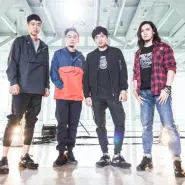
This song is from the punk band FIRE Ex. which hails from the Taiwanese port city of Kaohsiung, FIRE EX is politically aligned with the Taiwanese Independence Movement which aims to proclaim Taiwan as an independent country that does not claim rulership over China, this is opposed to the view that that Republic of China now based in Taiwan should rule over China and Taiwan. Kaohsiung was the location of a major crackdown on democracy activists during Taiwan's martial law period under the one party rule of the Kuomintang in 1979 and has broadly been more independence oriented. The line "Let me Stand up Like a Taiwanese" is a quotation from Peter Huang when he was tackled to the ground during an attempt to assassinate the then vice premier of of the Kuomintang, the son of the former generalissimo Chang Kai-Shek. The song's reference to unsung heroes is likely in reference to the average people who contributed to the democratization of Taiwan. Note also the song is sung in the Taiwanese Hoklo (Tâi-gú) language which is more prevalent in the south of Taiwan, during Taiwan's martial law period under the Kuomintang local languages like Hoklo, Hakka, and Taiwanese indigenous languages were suppressed in favor of Mandarin Chinese.