Steve Winwood and Eric Clapton are complicated people with complex thoughts and feelings on the ultimate questions of life. The dissonant and ironic chord at the end of "In the Presence of the Lord" demonstrates a reluctance to say "I've found the answer - everybody listen up! - the search is over!" and maybe a bit of frustration that it always has to be that way - an open question. The songs here embrace faith in some sort of ultimate peace while acknowledging that the writers want nothing in the way of dogma. And the final cut "Do What You Like" puts to rest any notion that these guys are getting religion in any conventional sense.
Someone above said this song was sung by Clapton - Well, it sure sounds like Winwood to me - struggling (beautifully) for those ultra-high notes. If it's Clapton, he's doing his best Winwood impression (actually, no way - I've never heard Eric sing that high.). I'm a fan of both, but Steve wrote three songs for the album, Eric wrote one, and as far as I can tell Winwood sings all the leads. So, despite Clapton's top billing, it's far more a Winwood album. And after this album, Clapton began to use some of the unusual chord changes typical of Winwood's work, such as sliding from the key of D minor down to E-flat minor for the verse in Layla (The song starts with the familiar energetic chorus sequence in D minor.). My favorite example of really unusual changes that work out beautifully is Winwood's "Empty Chair" on one of his solo albums.
Either way, it's a fantastic collaboration of two giants (and Ginger Baker and Ric Grech were certainly no slouches).


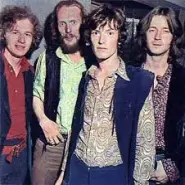
Steve Winwood and Eric Clapton are complicated people with complex thoughts and feelings on the ultimate questions of life. The dissonant and ironic chord at the end of "In the Presence of the Lord" demonstrates a reluctance to say "I've found the answer - everybody listen up! - the search is over!" and maybe a bit of frustration that it always has to be that way - an open question. The songs here embrace faith in some sort of ultimate peace while acknowledging that the writers want nothing in the way of dogma. And the final cut "Do What You Like" puts to rest any notion that these guys are getting religion in any conventional sense.
Someone above said this song was sung by Clapton - Well, it sure sounds like Winwood to me - struggling (beautifully) for those ultra-high notes. If it's Clapton, he's doing his best Winwood impression (actually, no way - I've never heard Eric sing that high.). I'm a fan of both, but Steve wrote three songs for the album, Eric wrote one, and as far as I can tell Winwood sings all the leads. So, despite Clapton's top billing, it's far more a Winwood album. And after this album, Clapton began to use some of the unusual chord changes typical of Winwood's work, such as sliding from the key of D minor down to E-flat minor for the verse in Layla (The song starts with the familiar energetic chorus sequence in D minor.). My favorite example of really unusual changes that work out beautifully is Winwood's "Empty Chair" on one of his solo albums.
Either way, it's a fantastic collaboration of two giants (and Ginger Baker and Ric Grech were certainly no slouches).