A devastating song from a disappointed soul. The singer remembers Christmas as it was promised to him as a child, with both Christ and Santa Claus as figures promising an essentially good world. In the light of his disillusionment, those memories are bitter, as he now sees the world as a fundamentally bad place, and the world of Christmas, as portrayed to him, as a lie.
Part of Lake's disillusionment came from wars from the time the song was written (1974): the Yom Kippur War had just ended; the US had pulled out of the Vietnam War, which was a year away from its final conclusion. The video shows (nongory) scenes of American firepower being unleashed in Vietnam.
The final stanza offers hope, or an ironic mention of hope: He wishes the listener the peace that Christmas is supposed to bring, but he supposes first that the listener has anguish, pain, and sadness to forget about. And he identifies the sorrowful state of the world as a conscious decision mankind has made: if the world is good or bad now, it is because the Christmas (and the world) we get, we deserve.
The acidity of the lyrics is heightened by the joyful, beautiful melody and instrumentation that fits right in with other (much happier) popular holiday music. This song can be heard on the radio during December, and I imagine with every play there are many happy listeners humming along while another group of listeners hears the lyrics for the first time and exclaims "Jesus!", moved by the stark worldview it portrays.


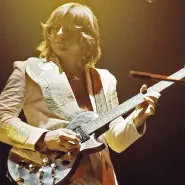
A devastating song from a disappointed soul. The singer remembers Christmas as it was promised to him as a child, with both Christ and Santa Claus as figures promising an essentially good world. In the light of his disillusionment, those memories are bitter, as he now sees the world as a fundamentally bad place, and the world of Christmas, as portrayed to him, as a lie.
Part of Lake's disillusionment came from wars from the time the song was written (1974): the Yom Kippur War had just ended; the US had pulled out of the Vietnam War, which was a year away from its final conclusion. The video shows (nongory) scenes of American firepower being unleashed in Vietnam.
The final stanza offers hope, or an ironic mention of hope: He wishes the listener the peace that Christmas is supposed to bring, but he supposes first that the listener has anguish, pain, and sadness to forget about. And he identifies the sorrowful state of the world as a conscious decision mankind has made: if the world is good or bad now, it is because the Christmas (and the world) we get, we deserve.
The acidity of the lyrics is heightened by the joyful, beautiful melody and instrumentation that fits right in with other (much happier) popular holiday music. This song can be heard on the radio during December, and I imagine with every play there are many happy listeners humming along while another group of listeners hears the lyrics for the first time and exclaims "Jesus!", moved by the stark worldview it portrays.