Along with "No More Songs," this is a pretty accurate depiction of what Phil Ochs was suffering from in the last few years of his life. These two songs bring tears to my eyes, as I think about the gentle soul who wrote them, and was ground down by a cruel and uncaring world. "The armies who killed a country" is an especially touching line, which could refer to any number of things including Vietnam, Chicago 1968, or any of the southern cities where the civil rights battles were fought.
I only hope that Phil's spirit is comforted in knowing that others have picked up the torch and are keeping it lit.
@Jerrybear I don't think this is all that depressing honestly. He is still trying to come out of a creative box refusing to be defeated. Maybe it is clearer in some of the poems of that period. Phil also egged on the depression and reveled in it, according to his brother, believing that he had to suffer for his art. And he did use it to create beautiful words, poems, songs and performances without playing up the victim analogy. Other people may not have had a choice in their fate but until almost the end, he did.
@Jerrybear I don't think this is all that depressing honestly. He is still trying to come out of a creative box refusing to be defeated. Maybe it is clearer in some of the poems of that period. Phil also egged on the depression and reveled in it, according to his brother, believing that he had to suffer for his art. And he did use it to create beautiful words, poems, songs and performances without playing up the victim analogy. Other people may not have had a choice in their fate but until almost the end, he did.


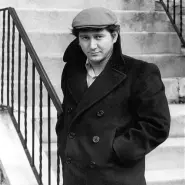
Along with "No More Songs," this is a pretty accurate depiction of what Phil Ochs was suffering from in the last few years of his life. These two songs bring tears to my eyes, as I think about the gentle soul who wrote them, and was ground down by a cruel and uncaring world. "The armies who killed a country" is an especially touching line, which could refer to any number of things including Vietnam, Chicago 1968, or any of the southern cities where the civil rights battles were fought.
I only hope that Phil's spirit is comforted in knowing that others have picked up the torch and are keeping it lit.
He'll be back.
He'll be back.
@Jerrybear I don't think this is all that depressing honestly. He is still trying to come out of a creative box refusing to be defeated. Maybe it is clearer in some of the poems of that period. Phil also egged on the depression and reveled in it, according to his brother, believing that he had to suffer for his art. And he did use it to create beautiful words, poems, songs and performances without playing up the victim analogy. Other people may not have had a choice in their fate but until almost the end, he did.
@Jerrybear I don't think this is all that depressing honestly. He is still trying to come out of a creative box refusing to be defeated. Maybe it is clearer in some of the poems of that period. Phil also egged on the depression and reveled in it, according to his brother, believing that he had to suffer for his art. And he did use it to create beautiful words, poems, songs and performances without playing up the victim analogy. Other people may not have had a choice in their fate but until almost the end, he did.